Throughout his career, Carlos Magdalena has helped save several species from the brink of extinction. In 2008, the rare pygmy Rwandan waterlily (the smallest waterlily in the world) was thought to be Extinct in the Wild. Kew horticulturists, including Carlos, set out on a mission to find ways to propagate the plant, experimenting with different mediums, temperatures, pH levels and water depths to try and determine the ideal climate for the mini waterlilies. After a breakthrough, plants began to flourish and mature. Having these waterlilies in botanic gardens is a safeguard against their future extinction. Carlos also played an integral role in saving the Café marron (Ramosmania rodriguesi), which was thought to be extinct until a single surviving tree was spotted by a schoolboy in 1979. Cuttings were taken to Kew Gardens, and although the plant regularly flowered, it never produced seed until Carlos discovered how to make the male plant bear female flowers. In 2003, the Café marron bore its first fruit with viable seeds. Slow but steady efforts have been made to grow more Café marron trees and speed up the pollination process. In 2010, there were 300 successfully germinated seeds in Rodrigues, spreading hope that the species can eventually exist in the wild once again.
In 2022, a team headed by Carlos Magdalena, freelance Kew botanical artist Lucy Smith, and biodiversity genomics researcher Natalia Przelomska, alongside partners from the National Herbarium of Bolivia, Santa Cruz de La Sierra Botanic Garden and La Rinconada Gardens, confirmed a new botanical discovery in the genus Victoria. Only two known species of giant waterlily had previously been identified, and specimens of the new species, Victoria boliviana, had been sitting in Kew’s Herbarium for 177 years and in the National Herbarium of Bolivia for 34 years.
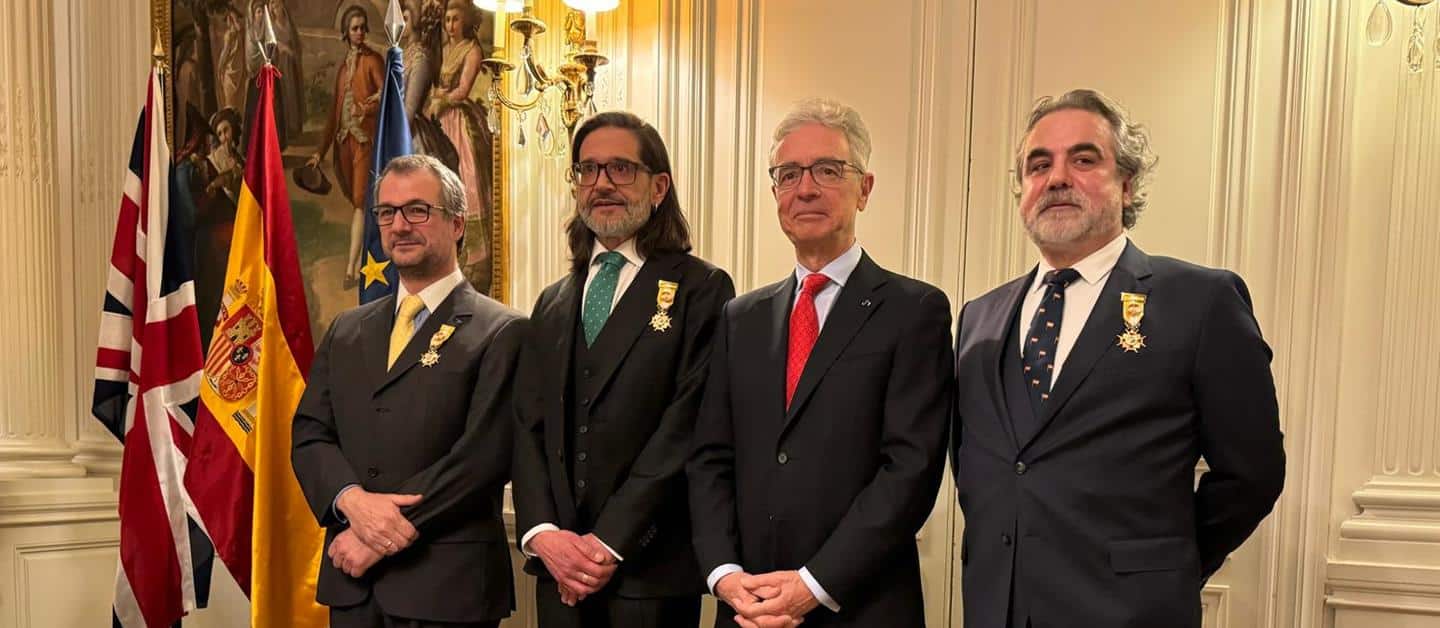
Carlos Magdalena said: ‘It’s hard to put into words how it feels to receive this award, something I couldn’t even imagine when I left Spain 24 years ago and I came as an Asturian immigrant to work in a hotel and learn English. I’m delighted that in the process they recognized a horticulturist at Kew, highlighting the impact and importance of the work we do, so I want to share this recognition with all my co-workers. If I could cut this medal up into a thousand pieces and share it with everyone who helps me and the team every day, I would.
‘If you are lucky enough to be interested in the natural world, you would need 100 lifetimes to get bored of it. I still love this job as much today as I did when I first started’.
Speaking after the presentation at the event reception Richard Barley, Director of Gardens at RBG Kew, said: ‘Carlos has been a very important part of the story of our success in horticultural endeavour over the past 20 years so it was particularly moving to be a part of this special occasion when he was recognised by his own country and people for his contribution too.’
UK-based Spanish entrepreneur Julio Bruno, who, like Carlos, is a native of Gijón in Asturias, was also presented with the Officer’s Cross of the Order of Isabella the Catholic at the ceremony. The third recipient on the night was Professor Guillermo Rein, Professor of Fire Science at Imperial College, London, known for his work on how wildfires spread and how rural communities can be protected.
At the Royal Botanic Gardens, Kew, we’re dedicated to harnessing the power of plants and fungi to end the extinction crisis and secure a future for all life on Earth. With Kew’s world-leading research, global partnerships and beloved gardens – home to the world’s most diverse collections of plants and fungi – we’re using our trusted voice to shape policy and practice worldwide. As a charity we rely on the critical support of our visitors, not only to sustain the gardens, but to protect global plant and fungal biodiversity for the benefit of our planet and humanity.”
© Kew Gardens 2025